

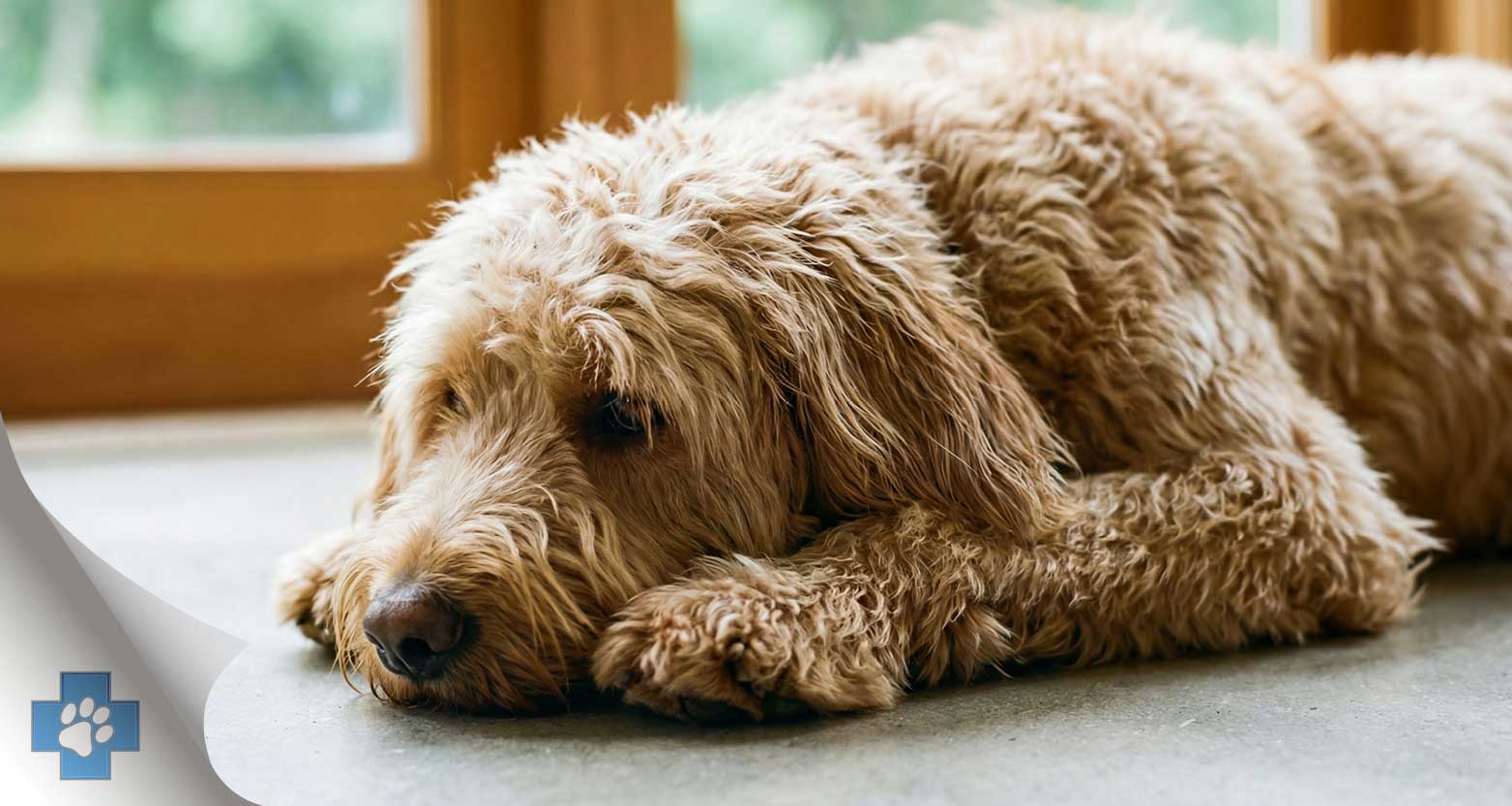
Subtle Signs Your Pet May Be Unwell: When to See the Vet
Pets are instinctively good at hiding illness. In the wild, showing weakness can make an animal vulnerable, so many dogs and cats will continue to behave as normally as possible even when they are unwell.
This means that early signs of illness are often subtle and easy to miss.
At Cherrybrook Vet Practice, we frequently see pets whose symptoms have progressed simply because the initial changes were difficult to recognise. Learning what to look for can help you act early and improve your pet’s health outcomes.
Why Pets Hide Illness
Dogs and cats have evolved to mask discomfort or weakness. This behaviour is particularly strong in cats, who may show very few outward signs until an illness becomes advanced.
Because of this, small changes in behaviour, appetite or routine are often the first indicators that something is wrong.
Trusting your instincts as a pet owner is important. If your pet seems different, there is often a reason.
Behavioural Signs Your Pet May Be Unwell
Behavioural changes are often linked to discomfort, pain, or underlying illness, even when there are no obvious physical symptoms. Conditions such as dental disease, arthritis, gastrointestinal issues, or early infections can all influence how a pet behaves. Because these changes can be subtle, they are often mistaken for ageing or mood shifts. Monitoring patterns over several days can help determine whether a change is temporary or something that requires veterinary attention.
You may notice:
- reduced interaction with family members
- hiding or seeking isolation
- increased irritability or sensitivity
- restlessness or pacing
- sleeping more than usual
Cats, in particular, may start hiding more frequently or avoiding areas they would normally use.
Dogs may appear less enthusiastic about walks, play, or attention.
Changes in Appetite or Drinking
Even small shifts in appetite or water intake can be significant, particularly in cats, who are prone to dehydration and liver complications if they stop eating. Increased drinking may be gradual and easy to miss unless water bowls are monitored closely. Using consistent feeding routines and measuring food portions can make it easier to detect subtle changes early.
Watch for:
- eating less or refusing food
- sudden increase in appetite
- drinking more water than usual
- reduced water intake
Increased thirst can be associated with conditions such as kidney disease, diabetes, or hormonal disorders.
A loss of appetite, especially if it lasts more than 24 hours, should be assessed by a veterinarian.
Mobility and Physical Changes
Mobility changes are commonly associated with arthritis, particularly in older pets, but they can also indicate soft tissue injuries or neurological conditions. Cats often adapt by avoiding jumping rather than showing obvious limping, which can make these signs easy to overlook. Early assessment allows for better management of pain and helps maintain quality of life.
Signs to look for include:
- reluctance to jump or climb
- stiffness, especially after rest
- limping or favouring one leg
- difficulty standing or lying down
These signs may be linked to joint issues, injury, or underlying medical conditions.
Changes in Grooming and Coat Condition
Changes in coat condition may reflect underlying issues such as skin disease, allergies, parasites, or internal illness. Over-grooming in dogs and cats is often linked to itching, but it can also be associated with stress or anxiety. In contrast, reduced grooming, especially in cats, is often a sign of pain or reduced mobility, making it an important indicator that should not be ignored.
You may notice:
- a dull or unkempt coat
- excessive shedding
- over-grooming in certain areas
- matting, particularly in cats
Cats that stop grooming themselves may be unwell or in pain. Dogs that lick excessively may be responding to irritation or discomfort.
Changes in Toilet Habits
Urinary and digestive changes can sometimes develop quickly and may indicate conditions that require prompt treatment. For example, difficulty urinating in cats can be a medical emergency, particularly in males. Monitoring your pet’s normal toileting habits and litter tray use helps identify changes early and ensures timely veterinary care when needed.
Watch for:
- diarrhoea or constipation
- straining to urinate
- increased frequency of urination
- accidents in the house
- changes in litter tray use
These signs can be associated with digestive issues, infections, or more serious conditions.
Subtle Signs in Cats That Are Often Missed
Cats often show very few outward signs until a condition becomes advanced. Small behavioural changes, such as choosing different resting places or avoiding interaction, may be the only early clues. Because of this, regular observation and routine veterinary check-ups are especially important for detecting illness in cats before it progresses.
Subtle signs may include:
- hiding more than usual
- reduced grooming
- sitting in unusual positions
- decreased interest in food or play
- quiet or withdrawn behaviour
If your cat is behaving differently, it is worth having them checked by a veterinarian.
Why Is My Dog Acting Differently?
Dogs may also show behavioural changes in response to pain, hormonal changes, or internal conditions that are not immediately visible. For example, dental pain, ear infections, or gastrointestinal discomfort can all affect mood and behaviour. If changes occur suddenly or continue without improvement, a veterinary examination is recommended to rule out medical causes.
If your dog seems quieter, more irritable, or less interested in activities they normally enjoy, it may indicate discomfort or underlying health issues.
Even small changes in behaviour can be significant, particularly if they persist over several days.
When Should You Take Your Pet to the Vet?
It is always safer to seek advice early rather than wait for symptoms to worsen. Many conditions are easier to treat when identified in the early stages. If you are unsure whether your pet’s symptoms are serious, contacting your veterinary clinic for guidance can help determine the next steps and provide peace of mind.
You should contact your veterinarian if your pet shows:
- ongoing vomiting or diarrhoea
- refusal to eat for more than 24 hours
- difficulty breathing
- weakness or collapse
- sudden behavioural changes
- signs of pain or distress
Early diagnosis often leads to better treatment outcomes.
The Importance of Routine Vet Check-Ups
Preventative care is one of the most effective ways to support long-term health in pets. Routine examinations allow subtle changes to be identified before they develop into more serious conditions. Your veterinarian can also provide tailored advice on nutrition, behaviour, and parasite prevention based on your pet’s age, breed, and lifestyle.
Routine check-ups allow your veterinarian to:
- detect early signs of illness
- monitor weight and body condition
- assess dental health
- update vaccinations
- recommend parasite prevention
For most pets, an annual health check is recommended. Older pets or those with existing conditions may require more frequent visits.
Trusting Your Instincts as a Pet Owner
Pet owners know their animals best.
If something feels unusual or out of character, it is worth investigating. Even if the issue turns out to be minor, seeking advice early can prevent more serious problems from developing.
At Cherrybrook Vet Practice, we encourage pet owners to contact us whenever they are unsure about their pet’s health.
Final Thoughts from Dr Matt at Cherrybrook Vet Practice
Recognising early signs of illness in pets can be challenging, but it is one of the most important aspects of responsible pet ownership.
By paying attention to subtle changes in behaviour, appetite and routine, you can help ensure your pet receives timely care.
If you are concerned about your dog or cat, the team at Cherrybrook Vet Practice is here to provide guidance and support.
– Dr Matt
Frequently Asked Questions About Unwell Pets
How can I tell if my dog is unwell?
Common signs include changes in behaviour, reduced appetite, lethargy, limping, or increased thirst. If your dog is acting differently for more than a day or two, it is best to consult your veterinarian.
What are the early signs of illness in cats?
Cats often show subtle signs such as hiding, reduced grooming, decreased appetite, or changes in litter tray habits. These changes should not be ignored.
When should I take my pet to the vet?
You should take your pet to the vet if they show persistent symptoms such as vomiting, diarrhoea, loss of appetite, breathing difficulties, or behavioural changes.
How often should pets have a health check?
Most pets should have a veterinary check-up at least once a year. Senior pets or those with medical conditions may need more frequent visits.
Why is my dog acting differently?
Changes in behaviour can indicate pain, illness, or stress. If your dog’s behaviour changes suddenly or persists, a veterinary assessment is recommended.