


Spring Parasite Prevention for Pets in Sydney
As winter fades and Sydney bursts into colour, our pets are ready to enjoy longer walks, sunny afternoons, and more outdoor adventures. But with the warmth and activity of spring also comes an unwelcome hazard: parasites. Fleas, ticks, and worms thrive in this season, putting cats, dogs, and even human family members at risk.
At Cherrybrook Vet Practice, we believe prevention is always better than treatment. By understanding the seasonal risks and setting up a strong parasite control plan, you can protect your pet’s comfort and health all year round.
Why Spring Is Flea, Tick & Worm Season in Sydney
Sydney’s mild winters allow many parasites to survive in small numbers, but once temperatures rise, their populations explode. Warmth, humidity, and increased outdoor activity create the perfect storm for fleas, ticks, and worms to spread.
Bushland areas and backyards alike can harbour ticks and flea eggs, while intestinal worms are spread through soil, other animals, and even contaminated surfaces. As our pets enjoy more time outdoors in spring, the chances of exposure increase significantly.
Common Parasites: Fleas, Ticks & Worms and Their Risks
Fleas: These tiny jumpers cause intense itching, allergic dermatitis, and can transmit tapeworms. A single flea can lay up to 50 eggs a day, rapidly infesting your home and pet’s bedding.
Ticks: The paralysis tick is the most dangerous parasite for dogs and cats in Sydney. Even a single bite can cause weakness, breathing difficulty, and—without urgent treatment—death. Brown dog ticks and bush ticks can also spread disease and discomfort.
Intestinal worms: Roundworm, hookworm, whipworm, and tapeworm can all affect dogs and cats. They cause vomiting, diarrhoea, weight loss, and poor growth in young pets. Some worms, like roundworm and hookworm, are zoonotic… meaning they can infect humans.
Without regular prevention, these parasites can cause severe illness. The good news? A proactive plan significantly reduces the risks.
Choosing the Right Prevention Products for Cats and Dogs
Parasite prevention isn’t one-size-fits-all. The right product depends on your pet’s age, weight, lifestyle, and household environment.
- Spot-on treatments: Easy to apply, effective against multiple parasites.
- Oral chews/tablets: Palatable, convenient, and less affected by swimming or bathing.
- Collars: Long-lasting tick and flea prevention for dogs.
- Specialist preventatives: Some products cover fleas and worms, others include ticks too.
It’s vital to choose veterinary-recommended parasite prevention. Certain dog products can be fatal to cats, and incorrect dosing may lead to illness or poor protection. Our team can guide you toward the safest and most effective option.
Timing & Frequency: When to Start and How Often to Treat
Spring is the time to start (or restart) your parasite prevention routine. Fleas breed fast, ticks are more active, and worm transmission rises.
- Fleas and ticks: Treat monthly, or as directed by the product.
- Intestinal worms: Puppies and kittens need more frequent treatment, then at least every 3 months for life.
- Heartworm: Prevention is essential year-round in Sydney. Options include monthly preventatives or an annual injection for dogs.
Consistency matters: missing doses allows parasites to rebound quickly.
Environmental Control: Treating Your Home & Garden
Even with preventatives, parasites can lurk in the environment. Flea eggs, larvae, and pupae can survive in carpets, cracks, and soil. Tick habitats include bushland, long grass, and leaf litter.
Tips for reducing parasite hotspots:
- Wash pet bedding weekly in hot water.
- Vacuum carpets and upholstery regularly.
- Keep lawns short and remove leaf litter.
- Discourage wildlife that can carry ticks into your garden. Bandicoots are prevalent in the Hills and Hornsby Shire and are known to carry the paralysis tick. The NSW Government has a helpful factsheet that outlines non-harmful methods of discouraging them from your garden.
Combining environmental management with direct prevention gives your pet the best protection.
Signs of Parasite Infestation to Watch For
Even with prevention, it’s important to monitor your pet for signs of parasites.
- Fleas: Scratching, hair loss, flea dirt, restlessness.
- Paralysis Ticks: Lethargy, unsteadiness, breathing changes, visible tick attached.
- Worms: Scooting, vomiting worms, diarrhoea, bloated belly, poor coat.
If you see any of these signs, contact us promptly. Early detection improves outcomes, especially with paralysis ticks. We’ve also created a more detailed guide to paralysis tick poisoning, and we encourage you to read it now so you can be aware of the signs to look out for in your pet.
Safe Options & What to Avoid
Natural remedies such as garlic, tea tree oil, or untested sprays are unsafe and ineffective. Some are even toxic to pets. Human medications should also never be used on animals.
Always check that flea, tick, and worm products are species-appropriate. For example, many dog tick treatments are highly toxic to cats. If you have a multi-pet household, ask us how to safely protect everyone.
Creating a Year-Round Parasite Prevention Plan
Parasites don’t disappear in winter; they just slow down. Continuing parasite prevention throughout the year avoids gaps in coverage and keeps infestations under control.
At Cherrybrook Vet, we can design a year-round prevention calendar tailored to your pet. This ensures your pet is covered through every season, with reminders for when treatments are due.
When to See Your Vet: Pet-Specific Risk Factors
Some pets face higher parasite risks than others. These include:
- Puppies and kittens with developing immune systems.
- Pets who go camping, hiking, or live near bushland.
- Pets who swim frequently (which may affect topical products).
- Older or immunocompromised pets who can’t tolerate illness well.
If your pet fits into one of these groups, it’s especially important to get professional advice.
Frequently Asked Questions about Parasite Prevention
 Do indoor cats need flea prevention?
Yes. Fleas can enter homes on shoes, clothing, or other pets. Indoor cats are still at risk so they should be treated regularly.
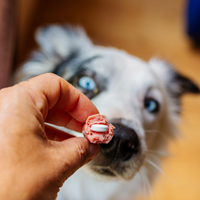 What if I miss a dose?
If you miss a dose, simply apply or give the treatment as soon as you remember, then resume your regular schedule.
 Can I use the same product for cats and dogs?
No. It’s important to use a species-specific product. Some ingredients that are safe for dogs can be deadly to cats.
 Are human family members at risk?
Yes. Some intestinal worms are zoonotic, meaning they can spread to people, particularly children. Regular deworming of pets reduces this risk.
It’s a Great Time to Spring Into Action to Protect Your Pets!
Spring in Sydney brings sunshine, fresh air… and parasites. By acting early and maintaining consistent flea, tick, and worm prevention, you can ensure your cat or dog enjoys the season safely.
At Cherrybrook Vet Practice, our team is here to help you find the safest and most effective prevention for your pet’s needs. If you’re looking for the best preventative medication, or if you’d like to speak with us about what would be the best option for your pet, give us a call on 02 9980 1800.
Protect your furry family member this spring, because prevention today means more tail wags tomorrow.