

Toxic Garden Plants for Dogs and Cats in Australia
Australian gardens are full of beautiful plants, but some common varieties can pose risks to pets. Dogs and cats are naturally curious animals and may chew leaves, dig around garden beds, or play with fallen flowers.
While most plants are harmless, others contain toxins or irritating compounds that can cause symptoms ranging from mild stomach upset to serious poisoning.
Understanding which plants may affect pets can help you create a safer backyard environment. At Cherrybrook Vet Practice, we occasionally see pets that become unwell after chewing plants or developing skin reactions after playing in certain garden areas.
Knowing the potential risks allows pet owners to prevent problems before they occur.
Why Do Pets Chew Plants?
Pets may chew plants for several reasons.
Dogs often chew leaves while exploring their environment or when they are bored. Puppies are particularly curious and may mouth plants as part of normal behaviour.
Cats may chew plants to aid digestion or simply because moving leaves attract their attention.
Unfortunately, pets cannot distinguish between safe and harmful plants. This is why it is important to know which plants in your garden could potentially cause illness or irritation.
Which Common Garden Plants Affect Pets?
Below are several plants commonly found in Australian gardens that veterinarians frequently see associated with pet illness or irritation.
Lilies and Daylilies
Botanical names: Lilium spp. and Hemerocallis spp.
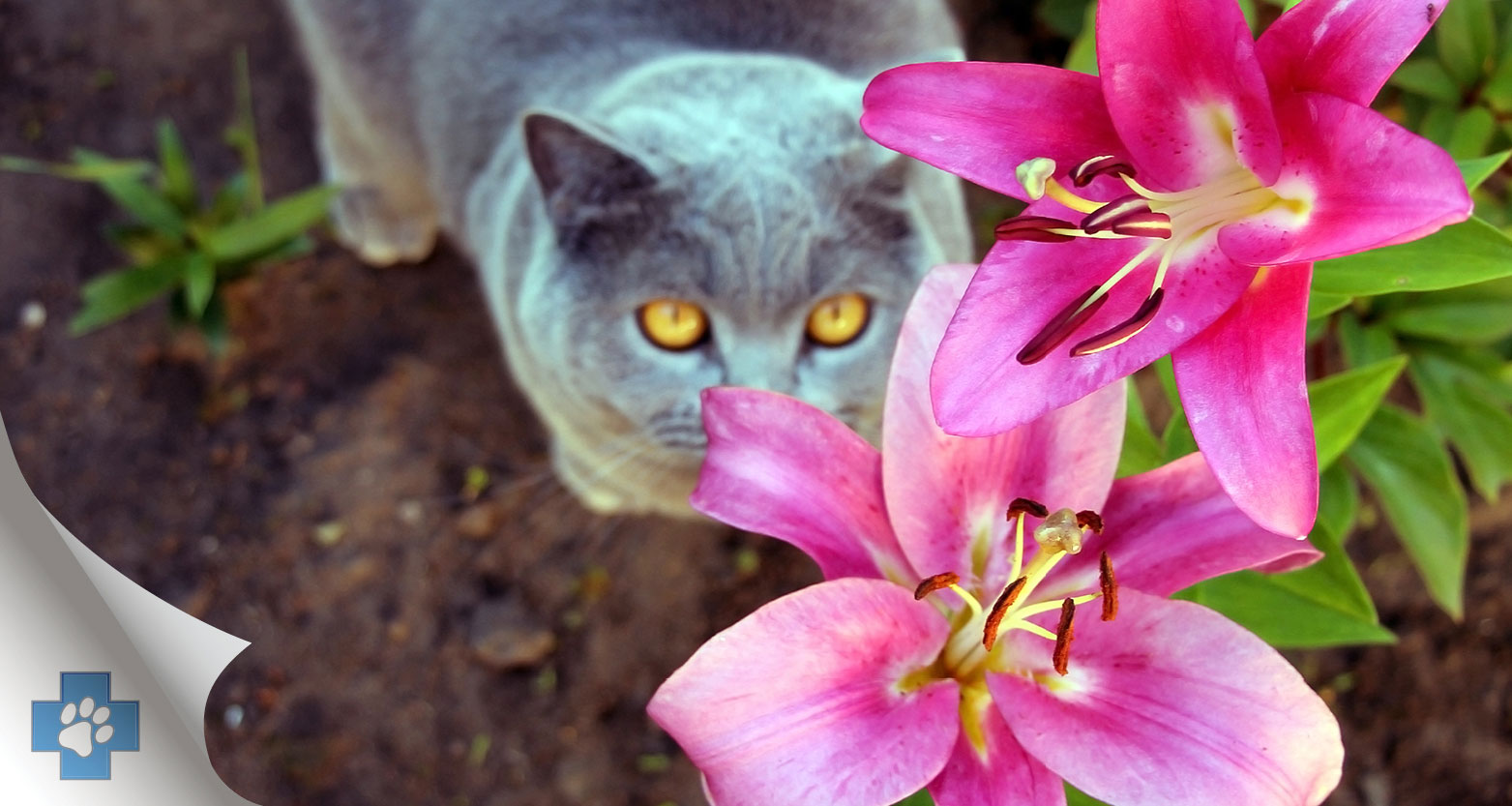
Both true lilies and daylilies are extremely dangerous for cats. Even small exposures, such as licking pollen from their fur or chewing a leaf, can cause acute kidney failure.
Early symptoms may include vomiting, lethargy, and loss of appetite. Without prompt veterinary treatment, severe kidney damage can occur.
Dogs that ingest lilies may develop mild stomach upset, but the risk to cats is far more serious.
Because of this danger, veterinary experts strongly recommend avoiding lilies entirely in homes with cats.
Sago Palm
Botanical name: Cycas revoluta
The sago palm is one of the most toxic plants for dogs and cats. All parts of the plant contain toxins, but the seeds are particularly dangerous.
If a pet eats part of a sago palm, symptoms may include vomiting, diarrhoea, seizures, and liver failure.
Even small amounts can cause severe illness, so these plants should not be kept in areas accessible to pets.
Oleander
Botanical name: Nerium oleander
Oleander is a popular ornamental shrub, but it contains compounds that affect the heart.
Pets that ingest oleander may develop symptoms such as vomiting, drooling, tremors, or abnormal heart rhythms.
Even small amounts can be dangerous, so it is best to avoid planting oleander where pets may chew the leaves or flowers.
Aloe Vera
Botanical name: Aloe barbadensis miller
Aloe vera is widely grown in Australian gardens and homes. While the gel inside the plant is often used for human skin care, the outer leaf contains compounds that can irritate the digestive system in pets.
Dogs or cats that chew the leaves may develop vomiting, diarrhoea, or lethargy.
Azalea and Rhododendron
Botanical name: Rhododendron spp.
These flowering shrubs contain toxins that interfere with the nervous and cardiovascular systems.
Pets that ingest azalea or rhododendron leaves may develop vomiting, drooling, weakness, or coordination problems.
English Ivy
Botanical name: Hedera helix
English ivy is a common climbing plant that can cause gastrointestinal irritation if eaten.
Symptoms may include vomiting, drooling, and abdominal discomfort. While poisoning is usually mild, pets that ingest large quantities may require veterinary care.
Agave
Botanical name: Agave americana
Agave plants are increasingly popular in Australian gardens because they are hardy and drought tolerant.
However, agave leaves contain irritating compounds known as saponins and calcium oxalate crystals. If pets chew the leaves or come into contact with the sap, they may develop vomiting, drooling, or skin irritation.
The sharp edges of the leaves can also cause minor injuries.
More information about agave exposure in pets can be found through the Animal Poisons Helpline.
Wandering Jew
Botanical name: Tradescantia fluminensis
Wandering Jew is one of the most common causes of contact dermatitis in dogs in Australia.
This fast-growing groundcover thrives in shaded gardens. When dogs run through or lie on the plant, the sap can trigger skin irritation.
Affected dogs may develop:
- red rash on the belly or groin
- intense itching
- licking or chewing the skin
- inflamed paws
Removing wandering jew from areas where dogs spend time can significantly reduce recurring skin reactions.
Buffalo Grass
Botanical name: Stenotaphrum secundatum
Buffalo grass is widely used in Australian lawns. While it is not toxic, some dogs may develop skin irritation after contact with certain buffalo grass varieties.
The coarse leaf edges can irritate sensitive skin, particularly in short-haired breeds. Some pets may also develop mild allergic reactions to grass pollen.
Symptoms may include:
- itchy skin
- paw licking
- redness on the belly
- watery eyes or sneezing
Table: Common Garden Plants That May Affect Pets
| Plant | Botanical Name | Main Season | Symptoms: Dogs | Symptoms: Cats |
|---|---|---|---|---|
| True lilies | Lilium spp. | Spring–summer flowering | Mild stomach upset | Severe kidney failure |
| Daylilies | Hemerocallis spp. | Spring–summer flowering | Vomiting, mild stomach upset | Severe kidney failure |
| Sago palm | Cycas revoluta | Year-round | Vomiting, seizures, liver failure | Vomiting, liver damage |
| Oleander | Nerium oleander | Spring–summer | Vomiting, heart issues | Vomiting, weakness |
| Aloe vera | Aloe barbadensis miller | Year-round | Vomiting, diarrhoea | Vomiting, diarrhoea |
| Azalea / rhododendron | Rhododendron spp. | Spring flowering | Vomiting, weakness | Vomiting, drooling |
| English ivy | Hedera helix | Year-round | Vomiting, stomach upset | Vomiting, drooling |
| Agave | Agave americana | Year-round | Vomiting, skin irritation | Vomiting, drooling |
| Wandering Trad | Tradescantia fluminensis | Spring–summer growth | Column 4 Value 9 | Rarely irritation |
| Buffalo grass | Stenotaphrum secundatum | Spring–autumn | Column 4 Value 10 | Rarely irritation |
Signs of Plant Poisoning or Irritation
Symptoms vary depending on the plant involved.
Common warning signs include:
- vomiting
- diarrhoea
- drooling
- lethargy
- tremors
- skin irritation
- excessive itching
Some symptoms may appear quickly, while others develop gradually.
If your pet shows unusual behaviour after being in the garden, it is safest to contact your veterinarian.
Can Pets Develop Plant Allergies?
Yes. Just like people, some pets are more sensitive to environmental allergens than others.
A plant that causes no reaction in one dog may trigger significant irritation in another.
If your dog or cat develops ongoing itching, rashes, or digestive upset after spending time outdoors, a veterinary visit is recommended.
Your veterinarian may perform tests to determine the cause of the reaction and recommend appropriate treatment.
Creating a Pet-Safe Garden
You do not need to remove every plant from your garden to keep pets safe. However, avoiding known toxic species can reduce the risk of poisoning.
Some helpful steps include:
- choosing pet-safe plants when landscaping
- fencing off garden beds containing risky plants
- supervising pets in newly planted areas
- providing toys and enrichment to reduce plant chewing
If you are unsure whether a plant is safe for pets, your veterinarian can help identify potential risks.
When to Contact Your Vet
If your pet has eaten a plant or is showing signs of illness after being in the garden, contact your veterinarian as soon as possible.
Identifying the plant involved and seeking veterinary advice early can significantly improve the outcome.
At Cherrybrook Vet Practice, our team can assess your pet quickly and recommend the most appropriate treatment if needed.
Final Thoughts
Many Australian gardens contain plants that may be harmful or irritating to pets. By learning which plants pose risks and taking simple precautions, pet owners can create safer outdoor spaces for their animals.
If you are unsure about the safety of plants in your garden, or if your pet develops symptoms after contact with a plant, the team at Cherrybrook Vet Practice is always here to help.
Frequently Asked Questions About Toxic Garden Plants and Pets
What should I do if my pet eats a toxic plant?
If you suspect your dog or cat has eaten a poisonous plant, contact your veterinarian as soon as possible. Try to identify the plant involved and note when the exposure occurred. Taking a photo or bringing a sample of the plant to the clinic can help your vet determine the best course of treatment.
Prompt veterinary care greatly improves outcomes in cases of plant poisoning.
Can dogs and cats recover from plant poisoning?
Many pets recover well from plant poisoning if treatment is provided quickly. The outcome depends on the type of plant involved and how much was ingested.
Treatment may include medications to control vomiting, activated charcoal to limit toxin absorption, intravenous fluids, or monitoring for organ damage.
Early veterinary care is the most important factor in successful recovery.
Which plants are most dangerous for cats?
Lilies are among the most dangerous plants for cats. Both true lilies (Lilium species) and daylilies (Hemerocallis species) can cause kidney failure in cats, even after small exposures such as licking pollen from their fur.
Because of this risk, lilies should never be kept in homes with cats.
Why does wandering trad cause skin irritation in dogs?
Wandering trad (Tradescantia fluminensis) is a common cause of contact dermatitis in dogs across Australia. When dogs run through the plant, the sap can irritate their skin.
Affected dogs may develop red rashes on the belly or groin, intense itching, and inflamed paws. Removing the plant from areas where dogs play can help prevent recurring irritation.
Can dogs be allergic to grass or plants?
Yes. Some dogs are sensitive to environmental allergens such as grasses, pollens, or certain plants. This may cause symptoms like itchy skin, paw licking, redness on the belly, or watery eyes.
Buffalo grass can sometimes cause irritation in sensitive dogs due to its coarse leaf edges or pollen.
If symptoms persist, your veterinarian can investigate possible allergies and recommend treatment options.
How can I make my garden safer for pets?
Creating a pet-friendly garden begins with avoiding plants known to be toxic to animals. You can also:
- choose pet-safe plants where possible
- fence off areas containing potentially harmful plants
- supervise pets in newly planted areas
- provide enrichment toys to reduce plant chewing
If you are unsure whether a plant is safe for pets, your veterinarian can help identify potential risks.
Are all succulents safe for pets?
Not all succulents are safe for pets. While many are harmless, some species, including agave and euphorbia, can cause irritation or digestive upset if chewed.
If you have succulents in your garden or home, it is a good idea to check whether the specific species is safe for pets.